
 Jamaica
 Sustainability
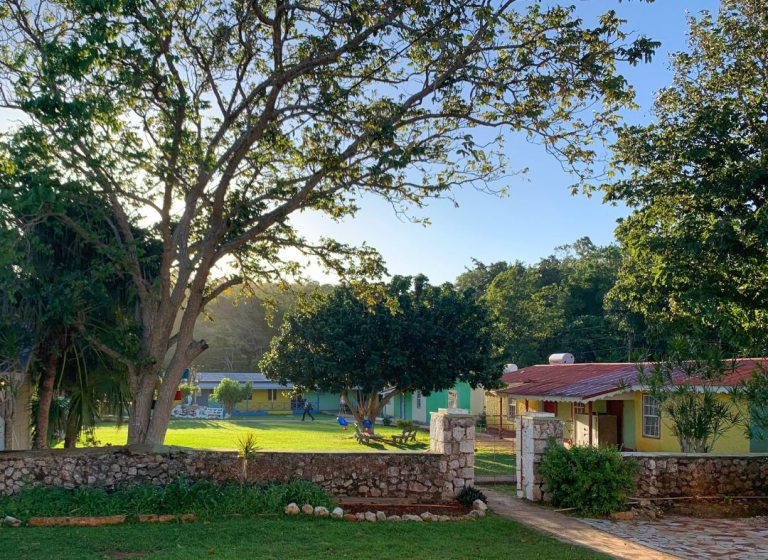
People think of Jamaica as an island of remarkable natural abundance: rich soil, warm sun, and land ready to bloom.
Yet like many countries around the world, Jamaica relies on imported foods, including many fruits and vegetables.
As food costs continue to rise globally, access to fresh, nutritious produce can become difficult for families and communities. Food insecurity is a constant threat.
What’s Happening? Because Jamaica imports more than half of its food supply, local farming and community gardens are increasingly important for food security across the island.
What Can We Do? A single well-tended kitchen garden can provide fresh herbs and vegetables for dozens of meals each week, helping communities lower food costs while improving nutrition. Plus, in its tropical climate, Jamaica is a great place for year-round growing.
At Mustard Seed Communities,
In gardens and farms on our apostolates across Jamaica, residents take an active role in planting, tending, and harvesting fruits and vegetables that become a part of their daily meals. The work nourishes bodies, and it also fosters purpose, connection, and pride.
These spaces are a living, flourishing example of the connection between a healthy community and a healthy earth.
We’re putting a spotlight on the gardens of three of our apostolates — Gift of Hope in Mandeville, Mary’s Child in Kingston, and Jacob’s Ladder in Moneague — where hope readily grows.
Gift of Hope, Mandeville: Healing from the Earth
Gift of Hope is home to almost two dozen children and adults with disabilities, set on a property in Mandeville with generous land ready to be cultivated.
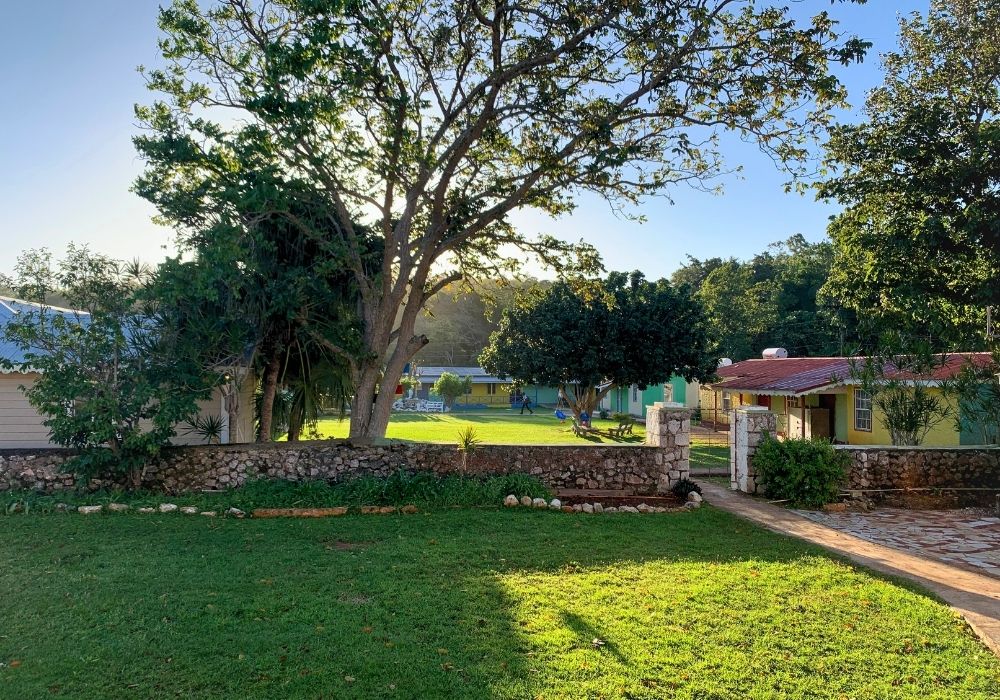
Farming in central Jamaica comes with challenges due to limited water access, particularly during periods of limited rainfall. To adapt, the staff at Gift of Hope practice dry farming, a method of agriculture that relies largely on rainfall and careful soil management rather than heavy irrigation.
By timing planting with the rainy seasons, preserving moisture in the soil, and growing crops suited to the climate, the team is able to cultivate food sustainably while conserving water.
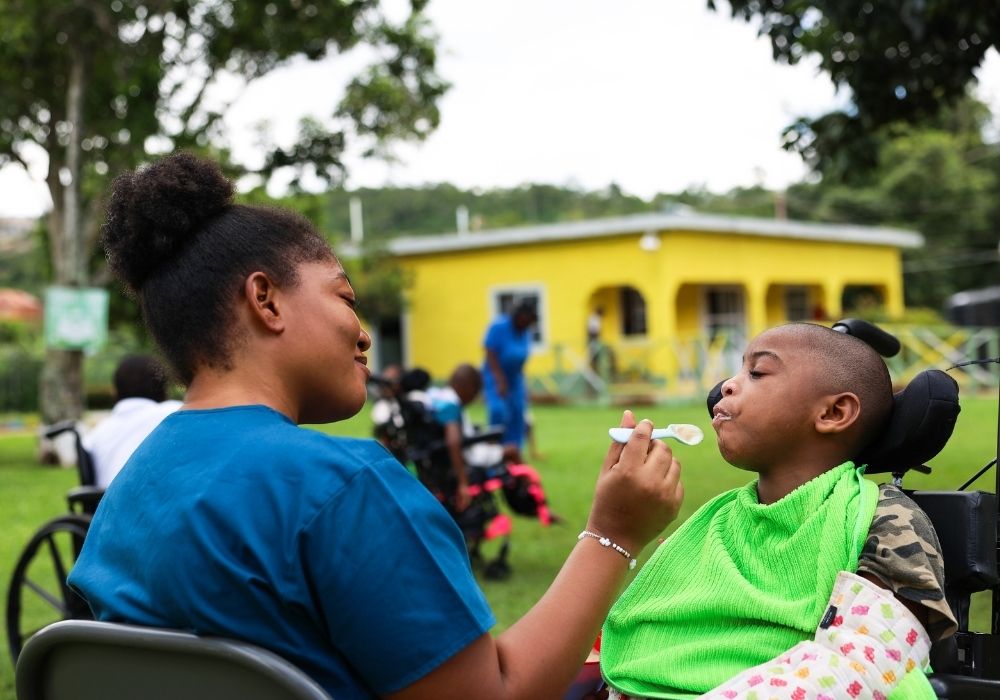
Plants grown on the property often become part of the community’s daily care, connecting the work of the garden directly to the health of the residents.
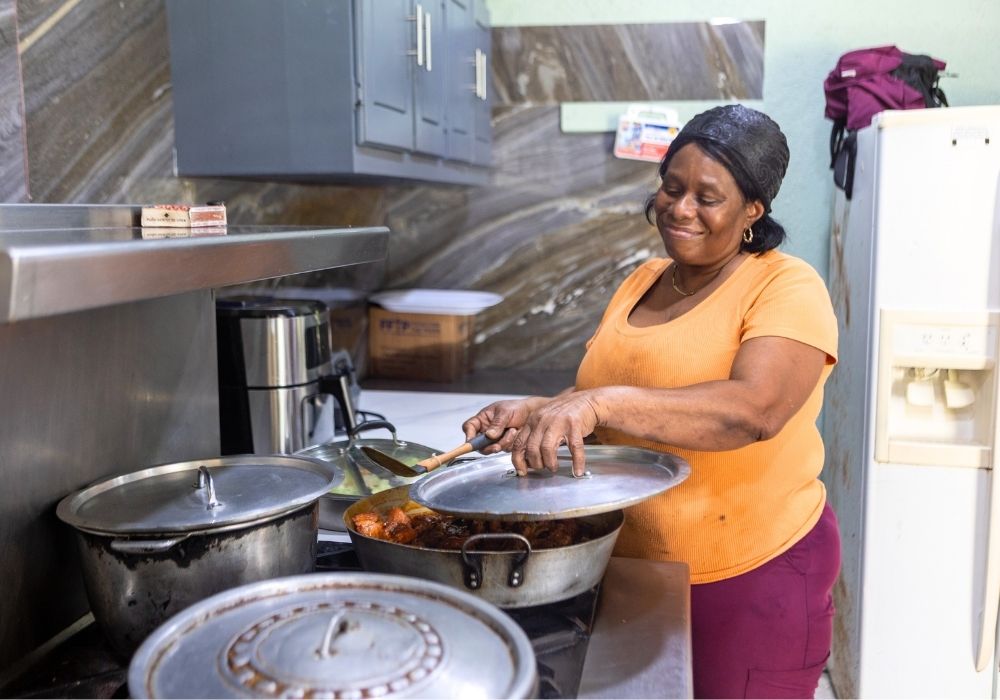
Staff grow pumpkin, lemongrass, and other crops that can be used onsite. Some are cooked into daily meals, while others serve medicinal purposes. Lemongrass, for example, is harvested and brewed into tea for residents, offering a settling comfort for their stomachs.
Gift of Hope is also home to a noni tree. Though the fruit is infamous on the island for its bitter taste, it has long been valued for its health benefits.
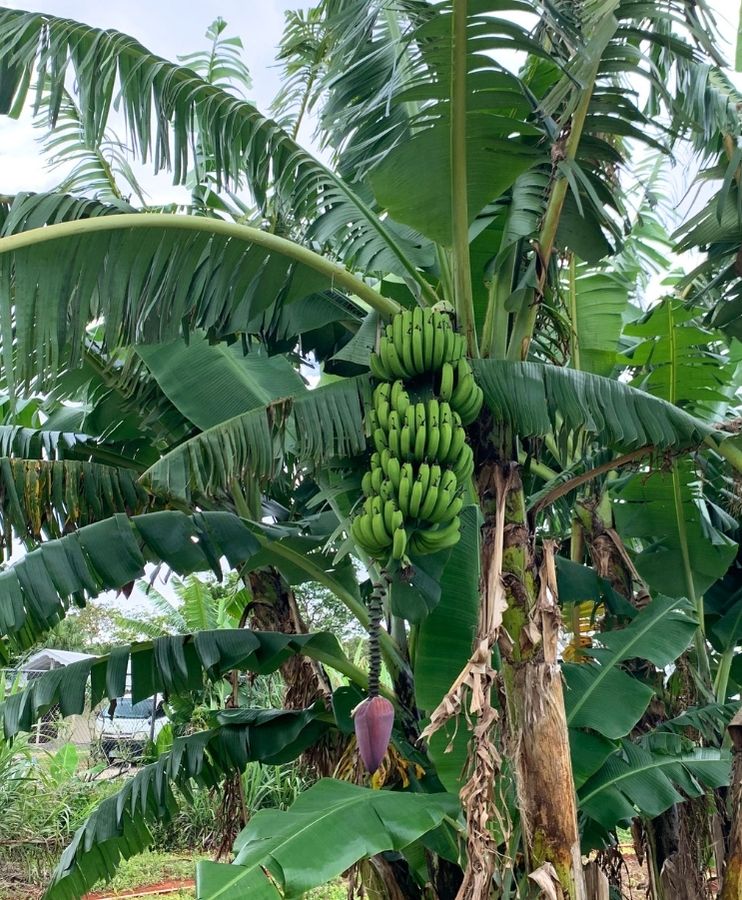
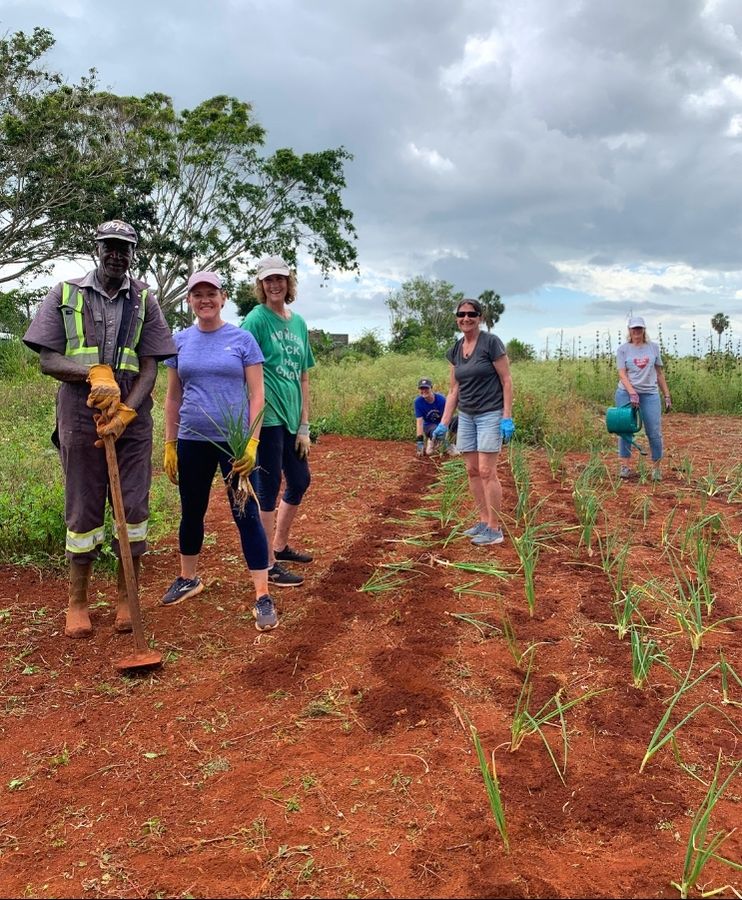
The gardens are sustained also by mission volunteers who come for a week at a time to lend their presence to friendship and put their hands to work. Teams help with planting, weeding, and maintaining the grounds, contributing to projects that continue to flourish long after their mission trip ends.
Among them is the Dare to Care mission team from Georgia. Annually, the team makes a mission trip to Jamaica, prioritizing tending to gardens and coordinating tools and resources for planting.
Kim Paulk, who will be making her fourth trip with the team this year, recognized the resilience of the Gift of Hope community during her stay on the property. After the trip, Kim said:
You have to admire the perseverance we saw in the Mustard Seed staff and residents. There’s something in just trusting God with your gardens, knowing rain will come.
Mary’s Child, Kingston: Urban Walls in Bloom
In Kingston, Mary’s Child is a home for girls and their babies which demonstrates that sustainable agriculture is not limited to large farms. Even within their urban space, the staff and residents find creative ways to grow fresh food and cultivate self-sufficiency.
Mary’s Child practices urban wall gardening, growing crops in recycled containers mounted along the property’s walls. Repurposed bottles and containers are cut open, filled with soil, and carefully arranged to maximize space and sunlight. The system allows the home to grow produce sustainably while reducing waste.
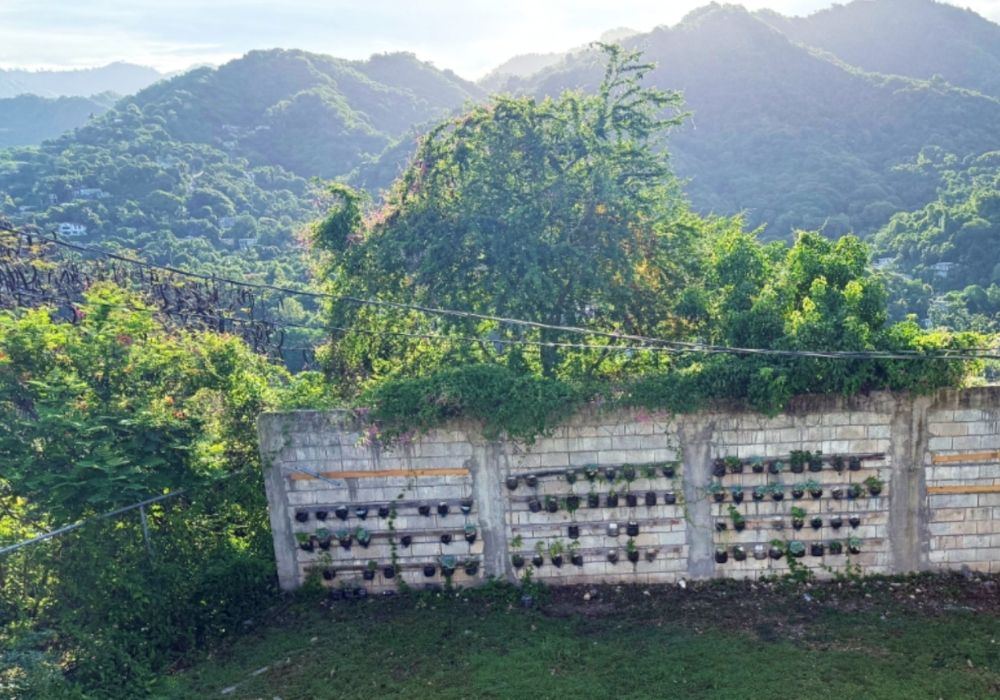
“Every single thing, even something like one tree, has so many uses that they think of and put into action,” Kim commented in a presentation to the Green Thumb Garden Club back at her home in Georgia.
I believe Mustard Seed uses the resources God has given them, no matter the geographical area.
Kitchen staff and residents work together to maintain the gardens, caring for crops that are later incorporated into meals within the home. A popular breakfast produce is callaloo, a leafy green that is a staple of Jamaican cuisine and a rich source of nutrients … the kind of food that sustains you, body and soul.
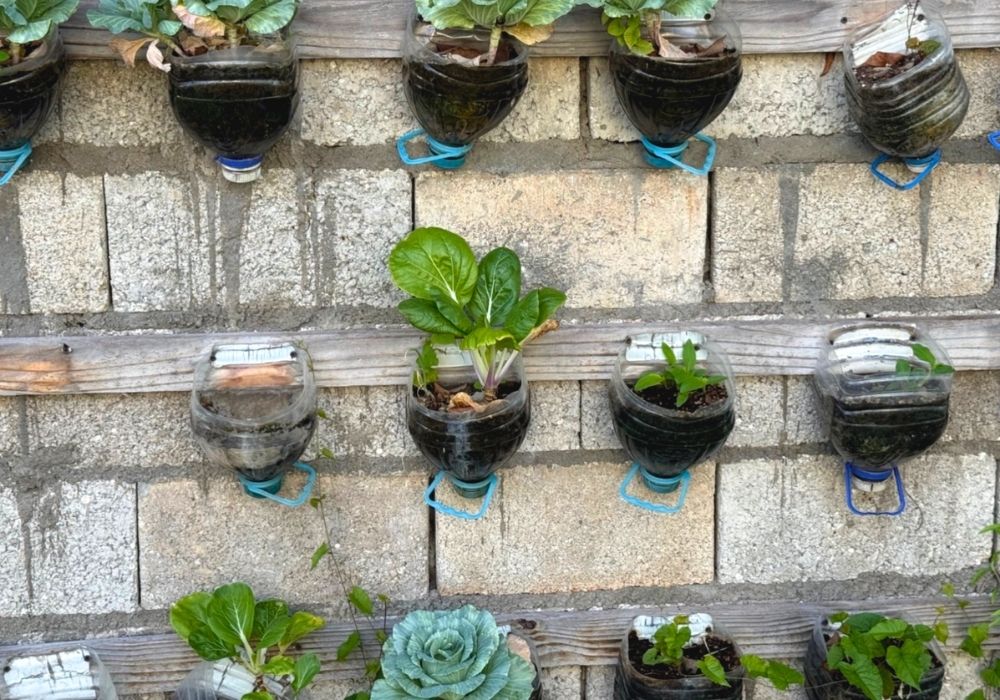
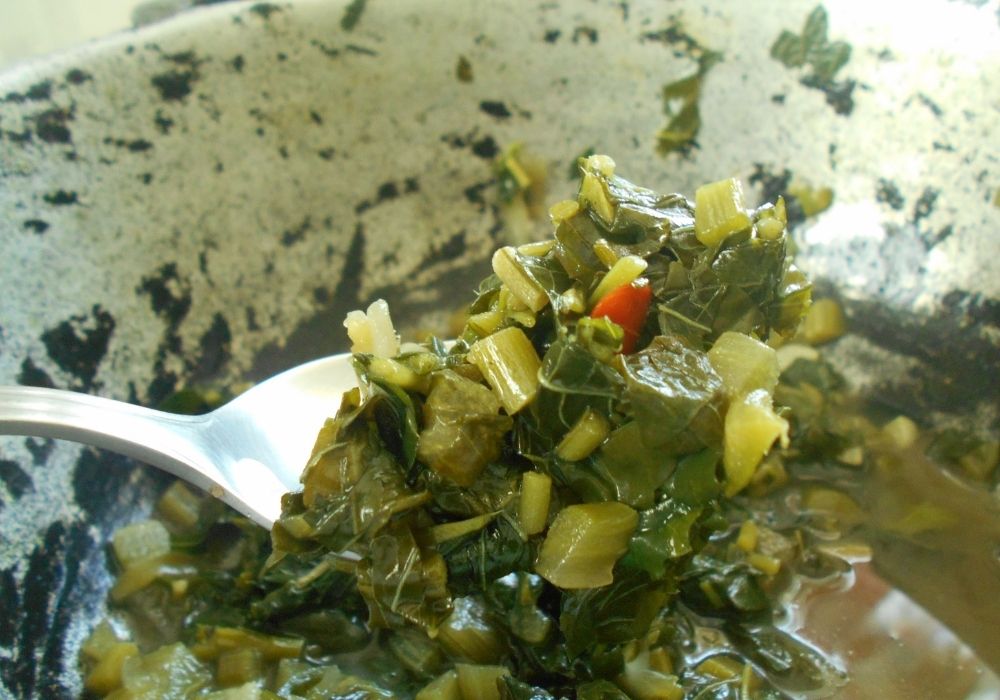
Alongside attending school and learning how to become parents, the girls living at Mary’s Child take part in gardening. Seeing food they helped cultivate become part of the next day’s meals draws a connection between effort and sustenance that will serve them and their children long after they leave.
At Mary’s Child, the spirit of growth despite the odds is everywhere. When girls can grow a garden on a concrete wall, they can give new purpose and nourishment anywhere.
Jacob’s Ladder, Moneague: From Stripped Land to Flourishing Farm
The garden of Jacob’s Ladder carries one of MSC’s powerful stories of transformation — of land and of people.
The property in Moneague, now a lifelong home to over 100 adults with disabilities, was once a bauxite mining site. Years of mining had stripped the land of its nutrients, leaving the soil depleted and the landscape barren.
When Msgr. Gregory Ramkissoon and Fr. Garvin Augustine first envisioned the community that would become Jacob’s Ladder, they saw potential where others saw unusable land. They brought in topsoil to fill containers and greenhouses that could sustain crops and support the growing villages.
Click the dots under the next photo to go back in time and see how the land at Jacob’s Ladder looked in 2007.
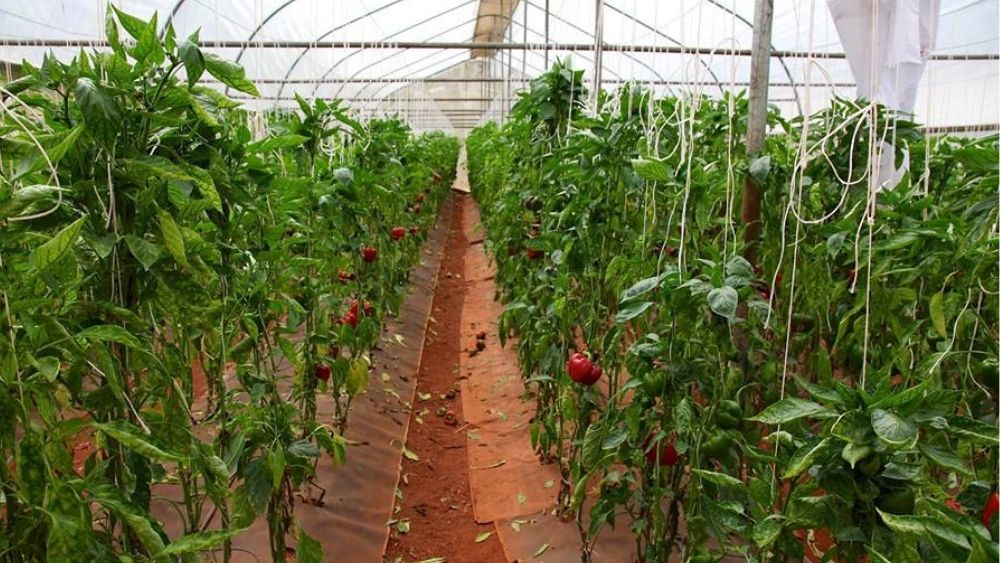
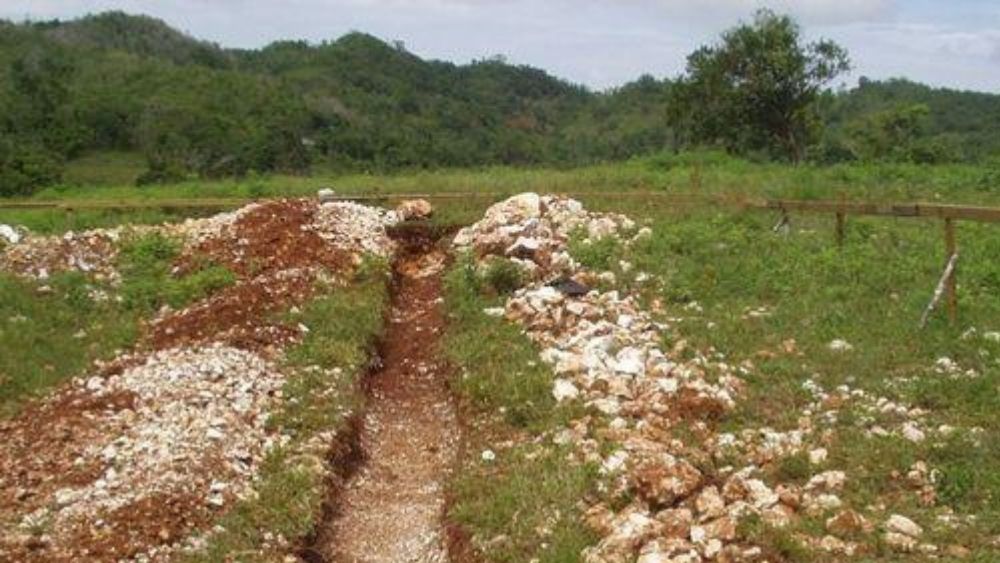
Like many communities across Jamaica, Jacob’s Ladder faced setbacks after Hurricane Melissa damaged the four greenhouses and gardens. Yet the community bounced back right away, utilizing the one greenhouse left standing and continuing the work of cultivation.
The farm that exists today is extensive and alive. Before Hurricane Melissa, Jacob’s Ladder’s greenhouses and gardens produced spectacular tomatoes, a variety of vegetables, and more. We are working on rebuilding the remaining greenhouses.
Many of the residents who call Jacob’s Ladder home for life are right in the center of it all. For those who are able and wish to participate, working in the gardens is a meaningful and joyful part of daily life. In a world that often overlooks the capabilities of people with disabilities, Jacob’s Ladder thrives because of the residents’ resolve and participation.
Residents like Cedric, pictured below, work hard (sometimes alongside mission volunteers!) in the garden. Cedric participates in harvesting vegetables and also helps with deliveries around the grounds using a wagon.
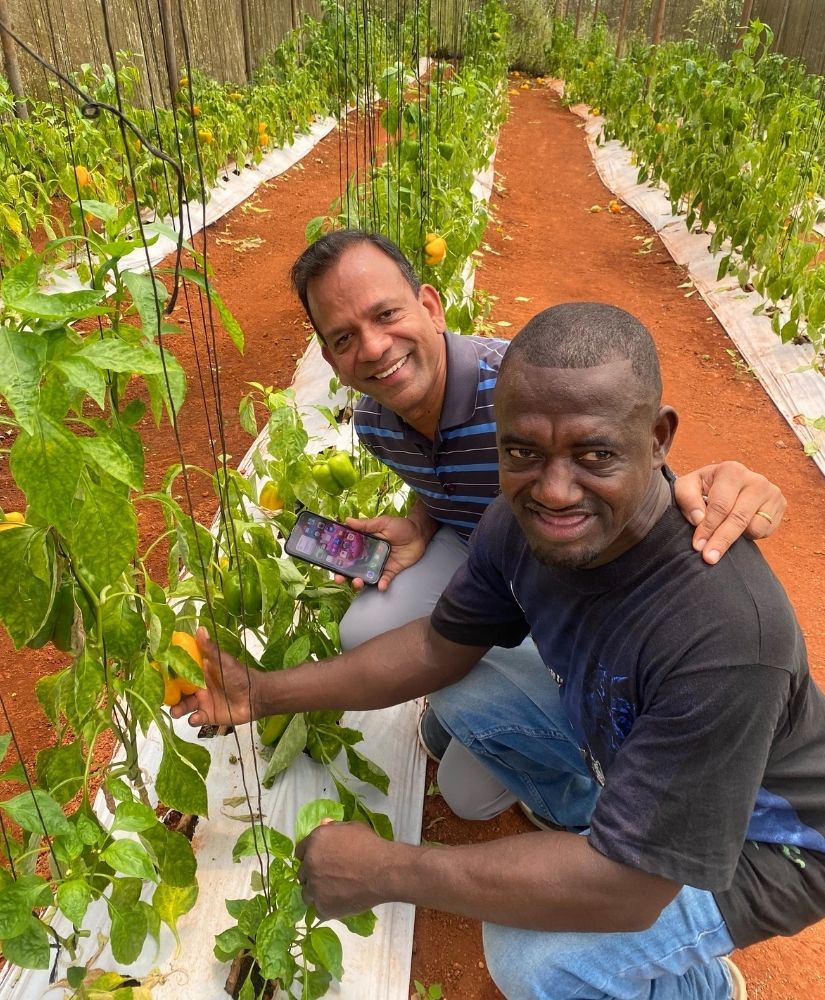
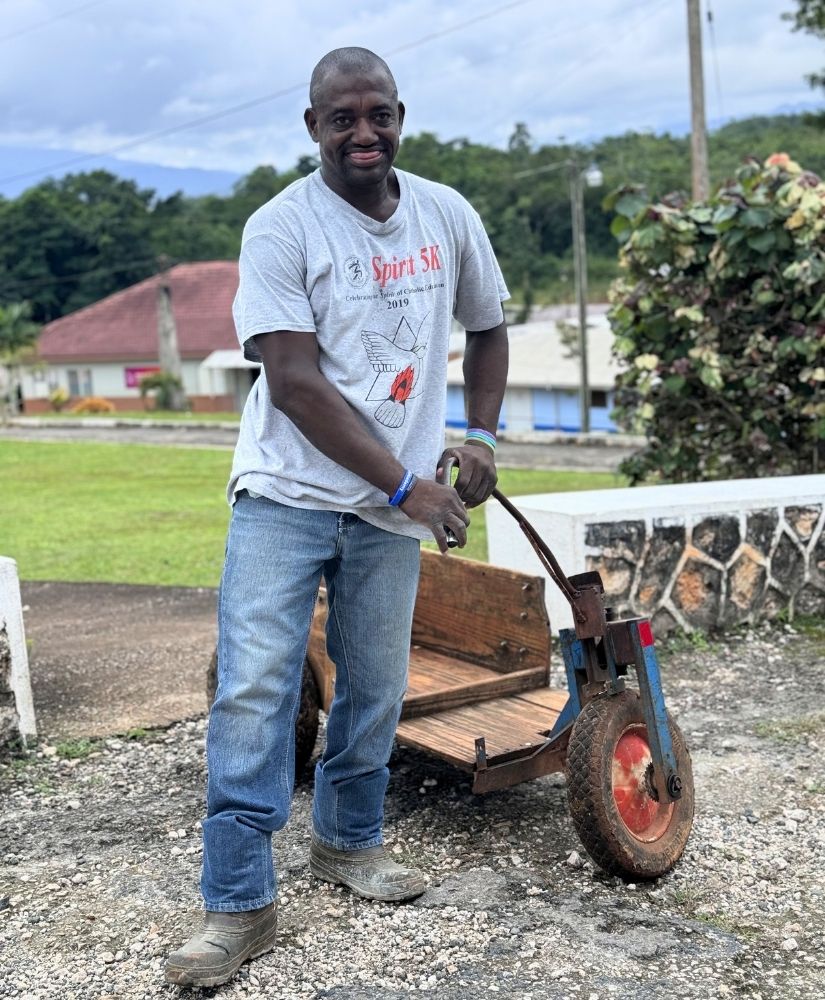
“That’s something I love about Mustard Seed. Whether it’s egg processing or planting in the garden, if they are able, they are out there working. There are opportunities for residents to learn skills and find their purpose. It touches my heart,” shared volunteer Kim.
Jacob’s Ladder has its own onsite well, an extraordinarily significant resource in Jamaica where many families rely on water deliveries or inconsistent rainfall. Access to a reliable water source allows the farm to irrigate crops more effectively and helps support residents’ daily needs.
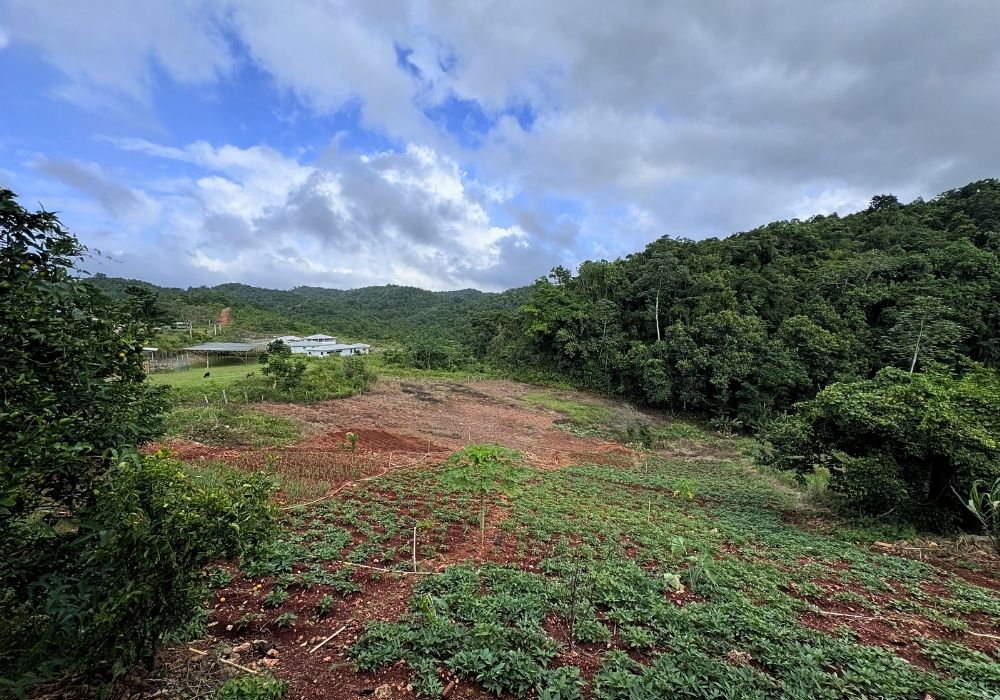
The farm stands as proof that land once considered barren can flourish again, and that communities rooted in dignity can do the same.
The Earth and Its People Can Thrive Together
“I am the vine; you are the branches. If you remain in Me and I in you, you will bear much fruit.”
-John 15:5
In a country known for its natural abundance, access to fresh, nutritious food still cannot be taken for granted.
At Mustard Seed Communities, sustainable agriculture is one way of helping meet a pressing need while creating opportunities for residents to participate meaningfully in the vitality of their home.
From dry farming in Mandeville, to urban wall gardens in Kingston, to restored farmland in Moneague, each apostolate blooms with the belief that caring for people and caring for the earth are deeply intertwined. This year alone, the Dare to Care mission team plans to plant 300 seedlings at MSC … plants that will grow branches with impact for generations to come.
Every seed planted and every harvest gathered points toward our vision of shared flourishing. And we all deserve the opportunity to grow and thrive together.
Help Communities Thrive
The gardens of Mustard Seed Communities are made possible by the generosity of people who believe in dignity, nourishment, and shared flourishing.
Become a Mountain Mover monthly donor and help sustain that growth all year long >>>
We extend special thanks to Kim Paulk from the Dare to Care mission team for sharing her expertise in gardening with us!